
SC suggests multi-department approach to prevent hooch tragedies
Court highlights need for coordinated action by police, excise and industries departments

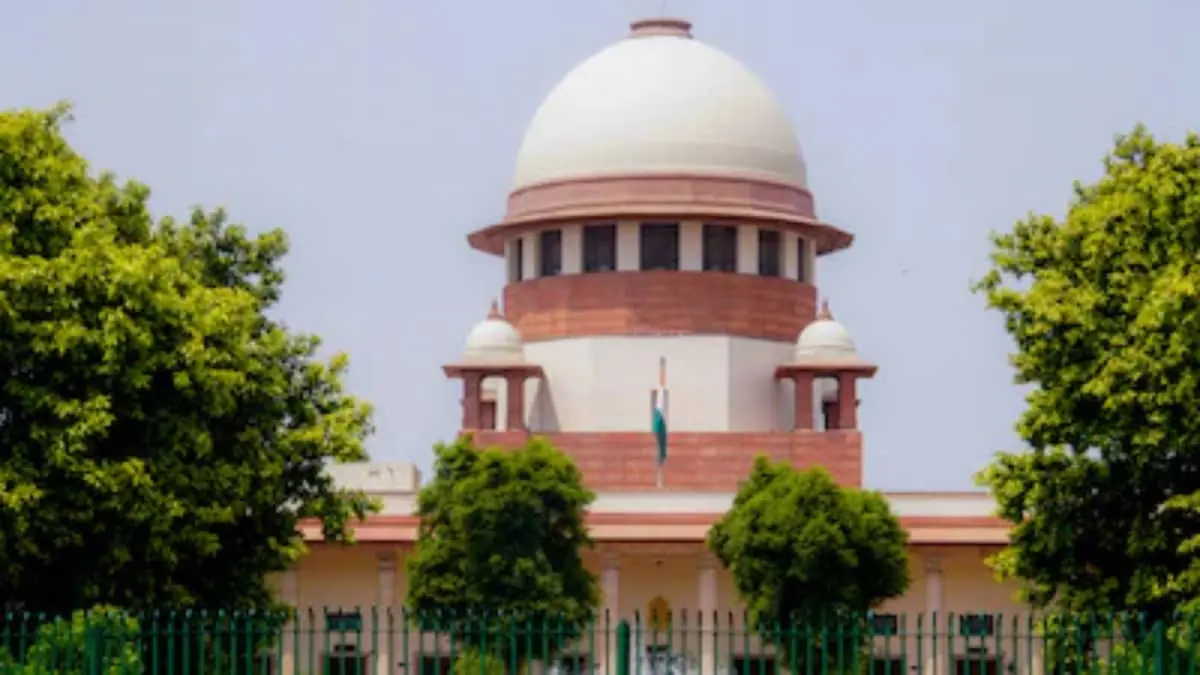
The Supreme Court has advised a coordinated approach involving state police, prohibition, excise, and industrial departments to prevent hooch tragedies by targeting illegal breweries and unregulated production of chemical solvents. It recommended stricter verification processes for liquor licenses and penalties for violations to control the underground liquor trade.
AI-generated · Verify with full article

See more of our coverage in your search results.

The Supreme Court has recommended a multi-department strategy to tackle hooch tragedies, urging coordination among the state police, prohibition, and excise departments to identify and penalise illegal local breweries. It emphasised that these breweries are often located in semi-industrial and congested urban areas, making monitoring essential.
The court noted that history shows a complete alcohol ban often drives the liquor trade underground, increasing the prevalence of unregulated and lethal brews. It suggested that the department of industries should monitor industrial units to detect those manufacturing chemical solvents sold illegally to liquor makers. Furthermore, the court called for a comprehensive review of the rules governing the grant of licences and permits, ensuring they are issued only after thorough verification of applicants’ backgrounds and genuine need. It added that any person violating licence conditions should face suspension or cancellation of their licence and be barred from obtaining new permits.
अक्सर पूछे जाने वाले सवाल
- Why does the Supreme Court recommend a multi-department approach?
- Because illegal breweries operate in complex environments requiring coordinated monitoring and enforcement.
- What role does the department of industries play?
- It should detect industrial units illegally producing chemical solvents used by liquor makers.
- What happens if licence conditions are violated?
- Licences should be suspended or cancelled and violators barred from obtaining new permits.
- Why is a total alcohol ban considered problematic?
- It often drives liquor trade underground, increasing unregulated and dangerous brews.
AI-निर्मित · पूरी ख़बर से पुष्टि करें
50 free articles left today
0 of 50 free reads used today.
Most read



Comments
0 threadsNo approved comments yet. Start the discussion.