
Supreme Court Rejects Petition Challenging Admission Restrictions in UP-Rajasthan Schools

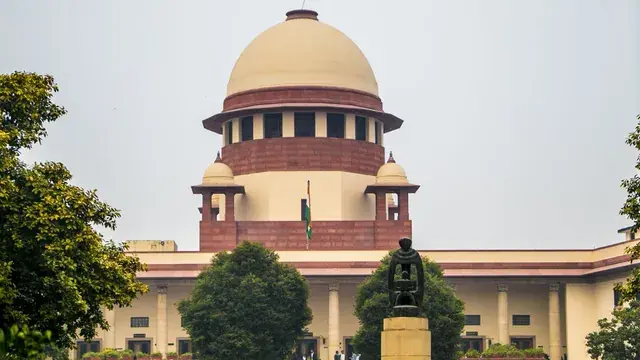
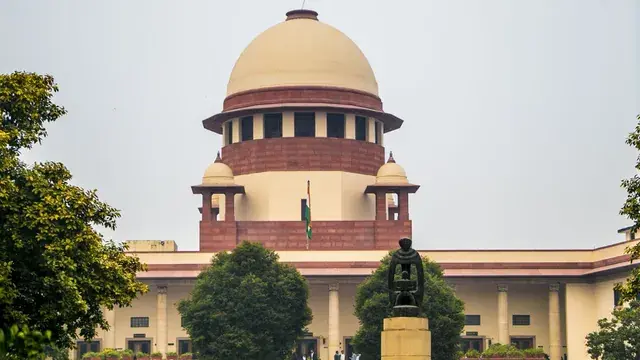
The Supreme Court declined to hear a petition challenging entry and recording restrictions imposed on outsiders, including journalists and social media users, in government schools of Uttar Pradesh and Rajasthan. These restrictions require prior permission from school authorities for access and documentation, which the petition argued hindered public interest reporting. The court refused to intervene, stating it was not inclined to entertain the petition under Article 32 of the Constitution.
AI-generated · Verify with full article
See more of our coverage in your search results.

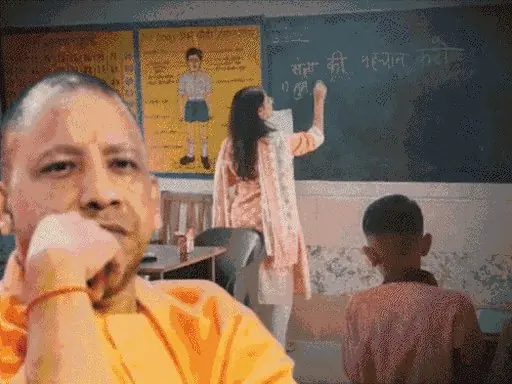
The Supreme Court refused to hear a public interest petition challenging the restrictions on entry of outsiders, journalists, YouTubers, and social media users in government schools of Uttar Pradesh and Rajasthan.
Details of Restrictions
Under a circular issued by the Director of Secondary Education, Rajasthan on August 16, 2026, prior permission from the principal is mandatory for outsiders to enter government schools. It also mandates written permission for photography, interviews, audio recording, and live streaming. Similarly, the Basic Education Officer of Ayodhya district, Uttar Pradesh, issued an order on August 19 prohibiting entry and recording in council schools without approval from the competent authority.
Arguments of the Petition
The petition filed under the 'School Theek Karo' campaign of Kokroch Janata Party stated that while restrictions are necessary for children's safety, they should not hinder public interest documentation of classrooms, buildings, toilets, drinking water, electricity, mid-day meals, and other basic facilities. The petitioner argued that recording identifiable children and documenting the physical condition of schools are distinct. They stated that freedom of expression under fundamental rights includes responsible journalism and dissemination of information about public institutions.
Supreme Court's Stance
A bench of Justice PS Narasimha and Justice Alok Aradhe refused to admit the petition. The petitioner had sought cancellation of the orders from both states and directions to ensure that regulations on public interest documentation meet the tests of reasonableness, necessity, and proportionality.
We are not inclined to consider the writ petition filed under Article 32 of the Constitution of India
Justice PS Narasimha, Supreme Court Judge
We are not inclined to consider the writ petition filed under Article 32 of the Constitution of India
Justice Alok Aradhe, Supreme Court Judge
अक्सर पूछे जाने वाले सवाल
- What was the basis of the petition against these restrictions?
- The petition claimed that these restrictions hinder public interest documentation of school facilities and that freedom of expression includes responsible journalism about public institutions.
- Which judges presided over the Supreme Court bench deciding this case?
- Justices PS Narasimha and Alok Aradhe.
AI-निर्मित · पूरी ख़बर से पुष्टि करें
50 free articles left today
0 of 50 free reads used today.
Most read



Comments
0 threadsNo approved comments yet. Start the discussion.